



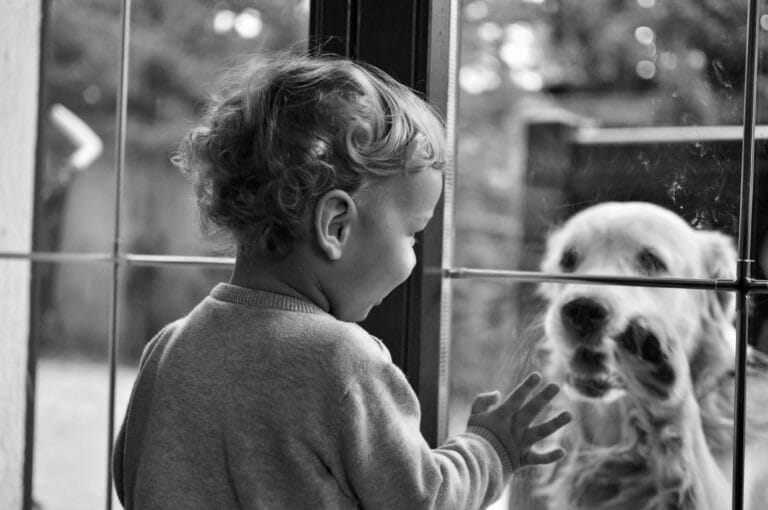
For many children, losing a pet is their first experience of death. How you handle this tender moment can shape how they understand loss for years to come. The key is honesty, simple language, and lots of reassurance. This guide will help you find the right words by age, what to avoid, and gentle ways to help your child grieve and remember.
Table of contents
- Be honest, in simple words
- What to say by age
- Words and phrases to avoid
- Helping your child grieve
- Ways to remember the pet together
- Frequently asked questions
Be honest, in simple, gentle words
It’s tempting to soften the truth, but children sense when something is wrong. Use clear, age-appropriate language: explain that their pet died, that it means their body stopped working and won’t come back, and that it wasn’t anyone’s fault. Reassure them they are safe and loved, and that all their feelings are okay.
Let them lead with questions, and answer simply and truthfully. It’s perfectly fine to say, “I don’t know,” and “I miss them too.”
What to say by age
- Toddlers (2–4): Very simple and concrete. “Buddy died. His body stopped working, and he won’t be coming back. It’s okay to feel sad.” Expect repeated questions.
- Young children (5–8): They grasp more but may feel guilt or fear. Reassure them it wasn’t their fault, and that death isn’t “catching.” Be ready to repeat explanations.
- Older children (9–12): Can understand more detail (illness, old age, euthanasia explained gently as “the vet helped end their pain”). Invite them to share memories and feelings.
- Teens: May grieve deeply but privately. Acknowledge the loss openly and let them know you’re available without pushing.
Words and phrases to avoid
Some common phrases confuse or frighten children:
- ❌ “Put to sleep” — can cause fear of sleep or anesthesia. Say “the vet gently helped them die so they wouldn’t hurt anymore.”
- ❌ “Went away” / “We lost them” — children may wait for them to return, or fear being “lost” themselves.
- ❌ “God took them” — can create fear or confusion depending on beliefs; use carefully.
- ❌ Avoiding the word “died” altogether — clarity actually helps children cope.

Helping your child grieve
- Let them see your feelings. Modeling healthy grief teaches them it’s okay to be sad.
- Validate every emotion — sadness, anger, even guilt or relief.
- Keep routines steady for a sense of security.
- Include them in a goodbye — a small ceremony helps closure.
- Watch for signs they need more support — lasting changes in sleep, appetite, or behavior may warrant talking to a counselor.
Ways to remember the pet together
Creative, hands-on tributes give grief a gentle outlet:
- Draw a picture of the pet “happy at the Rainbow Bridge.” Reading the Rainbow Bridge poem together can comfort children.
- Make a memory box or a “memory chain,” one happy memory per paper link.
- Plant a flower or tree and care for it as a family.
- Create an online memorial together — choose a favorite photo and write a few words. Make a free memorial → It gives children a positive, active way to honor their friend.
For your own grief alongside your child’s, our pillar guide on how to cope with losing a pet is here for you.
Frequently asked questions
How do I tell my child our pet died?
Choose a calm, quiet moment. Use simple, honest words: the pet died, their body stopped working, it won’t come back, and it’s not anyone’s fault. Reassure and comfort them, and welcome their questions.
Should a child see a pet that has died, or attend euthanasia?
It depends on the child’s age and wishes. Some find seeing the pet helps closure; never force it. For euthanasia, many vets advise discussing it with older children rather than having young ones present.
Should we get a new pet right away to help my child?
Avoid rushing. Let your child grieve first, so a new pet is welcomed as a new friend rather than a “replacement.”
Is it normal for a child to be very upset over a pet?
Yes. For many children it’s their first loss and a profound one. Their grief is real and healthy.
Grieving together, healing together 🌈
By being honest and loving, you’re teaching your child that loss can be faced with courage and remembered with love. When you’re ready, honor your pet together.
Create a free memorial your family can visit →