



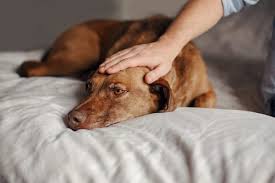
Losing a dog you’ve loved for many years leaves a silence that fills the whole house. After a decade or more together, your senior dog wasn’t just a pet — they were a constant, a witness to your life, a daily ritual of love. Grieving a senior dog is profound precisely because the bond was so long and so deep, and your sorrow is a measure of that love. This is a gentle place to begin healing, at your own pace.
However you’re feeling right now, it’s valid. There is no timeline for grief, and no wrong way to miss your friend.
Table of contents
- Why losing an old dog hurts so deeply
- Letting yourself grieve
- The empty spaces at home
- Honoring a lifetime together
- If and when to welcome another dog
- Finding support
- Frequently asked questions
Why losing an old dog hurts so deeply
When a dog has been with you for ten, fifteen, or more years, they’re woven into the fabric of your everyday life. They saw you through moves, jobs, heartbreaks, and ordinary Tuesdays. Their routines became your routines. So when they’re gone, the loss isn’t just of a companion — it’s of a daily rhythm and a living link to years of your own story.
It’s also common to feel a complicated mix: deep sorrow, but also relief that their suffering has ended, and sometimes guilt about that relief. All of it is normal. Loving an old dog through their final years and then letting them go is one of the hardest, most selfless things you’ll ever do.
Letting yourself grieve
Grief for a pet is real grief, and it deserves to be honored. You may move through waves of sadness, anger, numbness, and acceptance — not in order, and not on schedule. To support yourself:
- Allow the tears, and the laughter at happy memories too.
- Don’t let anyone rush you or minimize your loss with “it was just a dog.”
- Talk about your dog — saying their name keeps their memory close.
- Rest, eat, and be patient with yourself; grief is exhausting.
For a deeper look at the grieving process and ways to cope, see our main guide on how to cope with losing a pet.
The empty spaces at home
With a senior dog, the absence can feel especially loud — the bed by the window, the slow morning routine you’d adapted to their needs, the spot where they waited for you. These reminders can ambush you. Be gentle with yourself:
- Move or keep their things at your own pace — there’s no “right” time.
- Create a small ritual: light a candle, keep a favorite photo nearby.
- Let the routine reshape slowly; the quiet softens with time.
Honoring a lifetime together
Many people find real comfort in actively honoring their dog’s memory. After so many shared years, there’s a whole life worth celebrating:
- Gather your favorite photos into an album or frame.
- Keep a special keepsake — a paw print, a tag, a lock of fur.
- Write a letter to your dog, or read the comforting Rainbow Bridge poem.
- Do something in their name — a donation to a shelter, a tree planted in their memory.
Create a free, lasting memorial for your dog.
Give your faithful friend a beautiful, permanent tribute — share their photo, their story, and let others light a candle in their memory. No account needed.
→ Create your dog’s memorial
If and when to welcome another dog
There’s no “correct” time to bring home another dog — for some it’s soon, for others it’s much later, and both are okay. A new dog never replaces the one you lost; they simply open a new chapter. When the time feels right, our guide on getting a new pet after loss can help you navigate that decision without guilt.
Finding support
You don’t have to grieve alone. Pet-loss support lines, counselors, and online communities understand exactly what you’re feeling. Leaning on others — and on rituals of remembrance — is part of healing, not a sign of weakness. Be as kind to yourself as your dog always was to you.
Frequently asked questions
Why does losing a senior dog hurt so much?
After many years together, a senior dog is woven into your daily routines and your life story. Losing them means losing a constant companion and a living link to years of your own life, which makes the grief especially deep. It’s a normal response to a long, loving bond.
Is it normal to feel relief when an old dog passes?
Yes. Feeling relief that your dog’s suffering has ended — often alongside guilt about that relief — is completely normal, especially after caring for them through a long decline. It does not mean you loved them any less.
How long does grief for a pet last?
There is no set timeline. Grief comes in waves and eases gradually, differently for everyone. Be patient with yourself, honor your dog’s memory, and seek support if the sorrow feels overwhelming or unrelenting.
How can I honor my senior dog’s memory?
You might create a photo album, keep a keepsake like a paw print, write a letter, donate in their name, or create an online memorial to share their photo and story. Rituals of remembrance can bring real comfort.
Their love stays with you 🌈
The depth of your grief reflects the depth of your love — a love built over a lifetime of loyal companionship. Be gentle with your heart, lean on others, and when you’re ready, honor your dog in a way that feels right for you. They were lucky to be so deeply loved, and that love doesn’t end.